
- Today's Health Tip

Istockphoto
Take heart with berries,
beans, and other healthy fare.
Oatmeal
Start your day with a steaming bowl of oats, which are full of
omega-3 fatty acids, folate, and potassium. This fiber-rich
superfood can lower levels of LDL (or bad) cholesterol and help
keep arteries clear.
Opt for coarse or steel-cut oats over instant varieties—which
contain more fiber—and top your bowl off with a banana for another
4 grams of fiber.
Salmon
Super-rich in omega-3 fatty acids, salmon can effectively reduce
blood pressure and keep clotting at bay. Aim for two servings per
week, which may reduce your risk of dying of a heart attack by up
to one-third.
"Salmon contains the carotenoid astaxanthin, which is a very
powerful antioxidant," says cardiologist Stephen T.
Sinatra, MD, the author of Lower Your Blood Pressure In Eight
Weeks. But be sure to choose wild salmon over farm-raised
fish, which can be packed with insecticides, pesticides, and heavy
metals.
Not a fan of salmon? Other oily fish like mackerel, tuna, herring,
and sardines will give your heart the same boost.
Avocado
Add a bit of avocado to a sandwich or spinach salad to up the
amount of heart-healthy fats in your diet. Packed with
monounsaturated fat, avocados can help lower LDL levels while
raising the amount of HDL cholesterol in your body.
"Avocados are awesome," says Dr. Sinatra. "They
allow for the absorption of other carotenoids—especially
beta-carotene and lycopene—which are essential for heart
health."
Olive oilFull of monounsaturated fats, olive
oil lowers bad LDL cholesterol and reduces your risk of developing
heart disease.
Results from the Seven Countries Study, which looked at
cardiovascular disease incidences across the globe, showed that
while men in Crete had a predisposition for high cholesterol
levels, relatively few died of heart disease because their diet
focused on heart-healthy fats found in olive oil. Look for
extra-virgin or virgin varieties—they're the least
processed—and use them instead of butter when cooking.
Nuts Walnuts are full of omega-3 fatty acids
and, along with almonds and macadamia nuts, are loaded with mono-
and polyunsaturated fat. Plus, nuts increase fiber in the diet,
says Dr. Sinatra. "And like olive oil, they are a great source
of healthy fat."
Fotolia
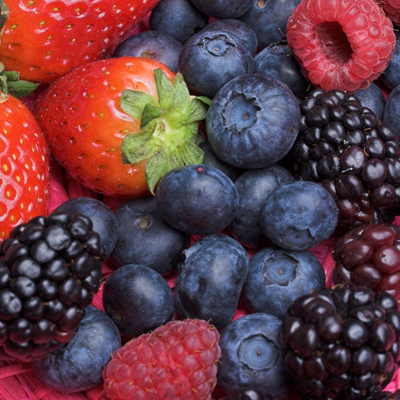
Berries Blueberries, raspberries,
strawberries—whatever berry you like best—are full of
anti-inflammatories, which reduce your risk of heart disease and
cancer.
"Blackberries and blueberries are especially great," says
Sinatra. "But all berries are great for your vascular
health."
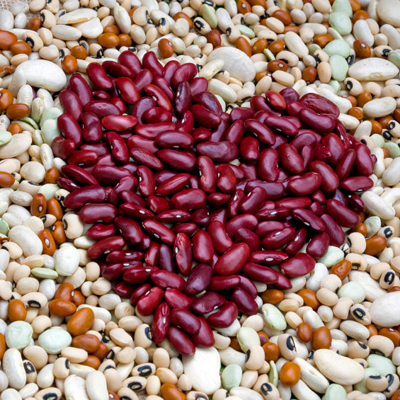
Legumes
Fill up on fiber with lentils, chickpeas, and black and kidney
beans. They're packed with omega-3 fatty acids, calcium, and
soluble fiber.
Spinach
Spinach can help keep your ticker in top shape thanks to its stores
of lutein, folate, potassium, and fiber.
But upping your servings of any veggies is sure to give your heart
a boost. The Physicians' Health Study examined more than
15,000 men without heart disease for a period of 12 years. Those
who ate at least two-and-a-half servings of vegetables each day cut
their risk of heart disease by about 25%, compared with those who
didn't eat the veggies. Each additional serving reduced risk by
another 17%.
Flaxseed Full of fiber and omega-3 and omega-6
fatty acids, a little sprinkling of flaxseed can go a long way for
your heart. Top a bowl of oatmeal or whole-grain cereal with a
smidgen of ground flaxseed for the ultimate heart-healthy
breakfast.
Soy Soy may lower cholesterol, and since it is
low in saturated fat, it's still a great source of lean protein
in a heart-healthy diet.
Look for natural sources of soy, like edamame, tempeh, or organic
silken tofu. And soy milk is a great addition to a bowl of oatmeal
or whole-grain cereal. But watch the amount of salt in your soy:
some processed varieties like soy dogs can contain added sodium,
which boosts blood pressure.

No comments:
Post a Comment